Stages of Development - The Seven Habits of Highly Successful People

Building even a simple construction project requires the coordination of 100+ people when you consider the team of the project owner, architects, engineers, contractors, suppliers, inspectors, etc.

D. Brown Management Profile Picture
Share

While we may like to think of ourselves as “Independent” this is not the highest stage of development.  Dr. Stephen Covey describes three stages of development in his book The Seven Habits of Highly Successful People.
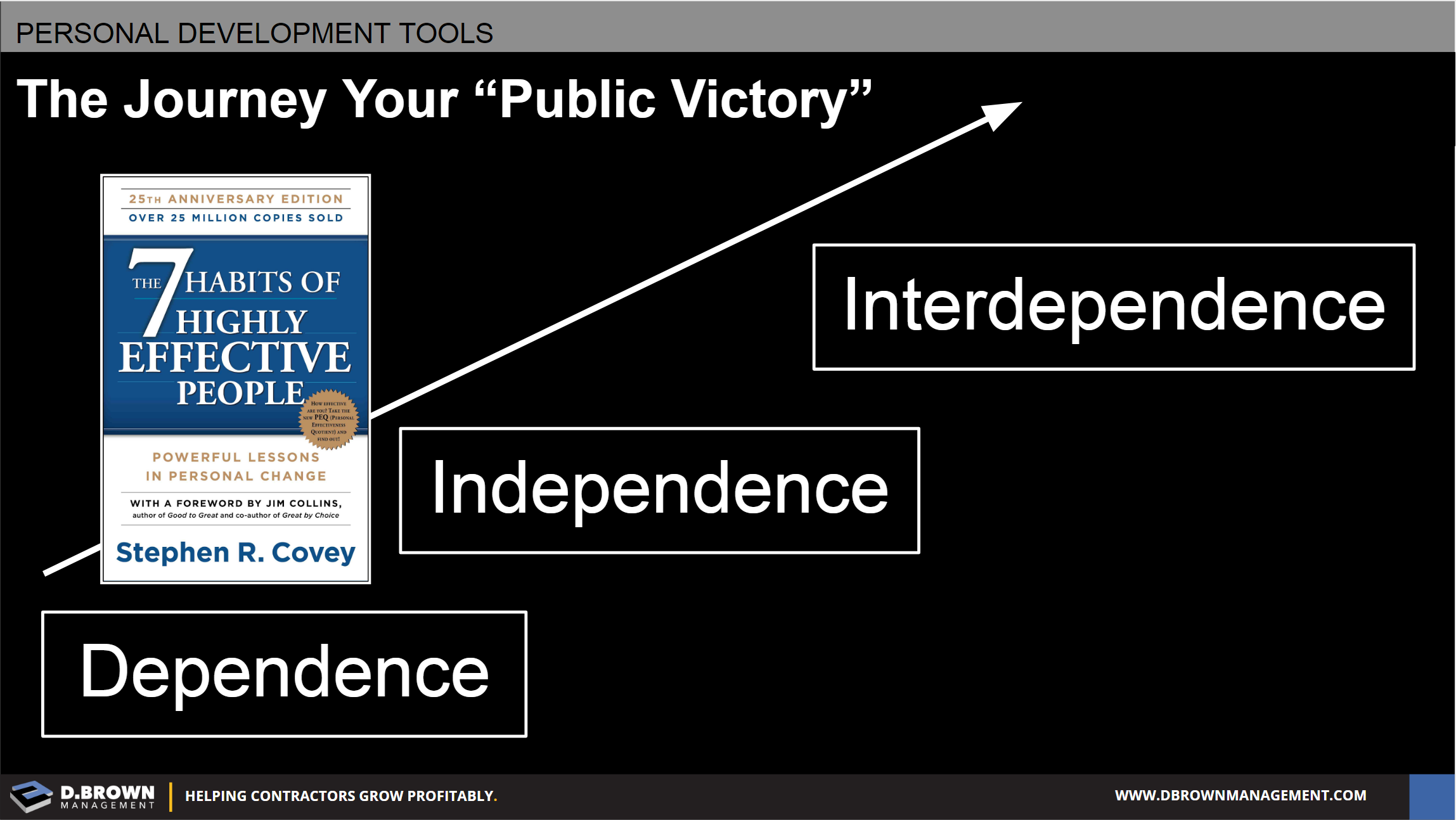
Personal Development Tools: Book: 7 Habits of Highly Effective People by Stephen R. Covey.
  • When we all start out in life we are DEPENDENT on others to provide nearly everything for us.  
  • As we grow older our first journey is towards being INDEPENDENT in all areas starting with small things with major milestones such as driving and moving out.
  • This struggle for independence often interferes with our journey to the final stage of INTERDEPENDENCE where we recognize that we are far more valuable if we can work effectively together.

Leaders must set the conditions to help each team member move through these different stages of development in different areas of their lives.  Stages cannot be skipped. We will all be at different stages in different aspects of our personal and professional lives.  


Schedule a call to learn how we help teams accelerate development


Related Training

Definition - Certification
The Verified Ability to do something (skill) to meet a certain level of performance (standard / competency).
Talent Funnel - The Macro Viewpoint
To better cope with some of the talent shortages that growing contractors are facing, it is important to look at talent through a similar lens as we would sales, putting them into a funnel and approximate timelines. We have to start with the big picture.
Appearance and Experience of Management Control
As your career develops and you grow into roles of greater responsibility, one of the biggest challenges is what Jennifer Garvey Berger calls “The paradox of the appearance of increasing control and the experience of decreasing control.”